Young CEO Program: Growing People and Cyntegrity

Discover why Cyntegrity created its Young CEO Program, how it develops ownership through real business projects, and who graduated in Frankfurt in 2026.
Everything You Need to Know About RBQM
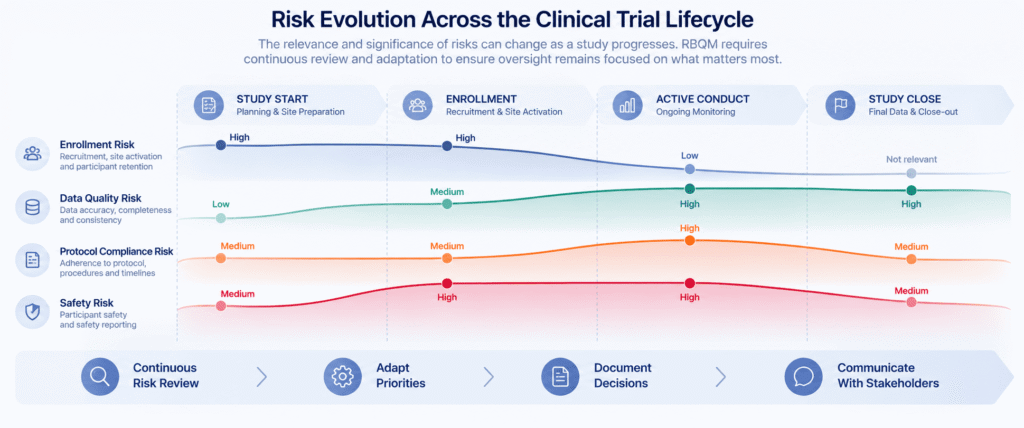
Learn what RBQM (Risk-Based Quality Management) is, how it works, and how to apply it in clinical trials using practical guidance, examples, and resources.
RBQM at SCOPE Europe 2026 | Cyntegrity

Meet Cyntegrity at SCOPE Europe 2026 in Barcelona to explore RBQM, centralized monitoring, KRIs, QTLs, AI-augmented oversight and MyRBQM® Portal.
FDA Risk-Based Inspections: Move Risk Detection Upstream

FDA’s risk-based inspection approach raises a practical question: if protocol deviations and data anomalies can help regulators determine where to look, how can sponsors use related signals earlier – while there is still time to act?
Making RBQM Work in Practice: Adam Baumgart

What does it take to make RBQM work consistently in practice? Adam Baumgart discusses implementation, AI, cross-functional oversight and the customer experience required to turn risk signals into meaningful action.
Explainable AI in Clinical Trials
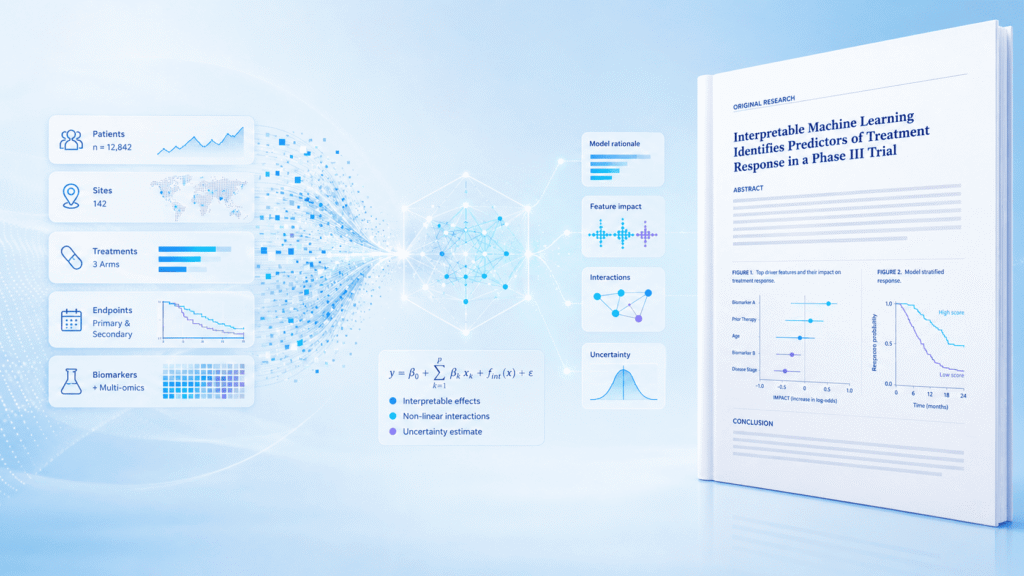
Clinical trial AI should do more than detect patterns. It must help teams understand, challenge, and document the rationale behind risk signals. Cyntegrity’s latest research reference explores how explainable mathematical discovery can support the next generation of RBQM innovation.
RBQM Explained: Why 100% SDV Falls Short in Clinical Trials

An educational excerpt from MyRBQM Essentials White Belt explaining why traditional monitoring and 100% Source Data Verification are no longer enough for modern clinical trial oversight.
Protocol Complexity and RBQM in Clinical Trials
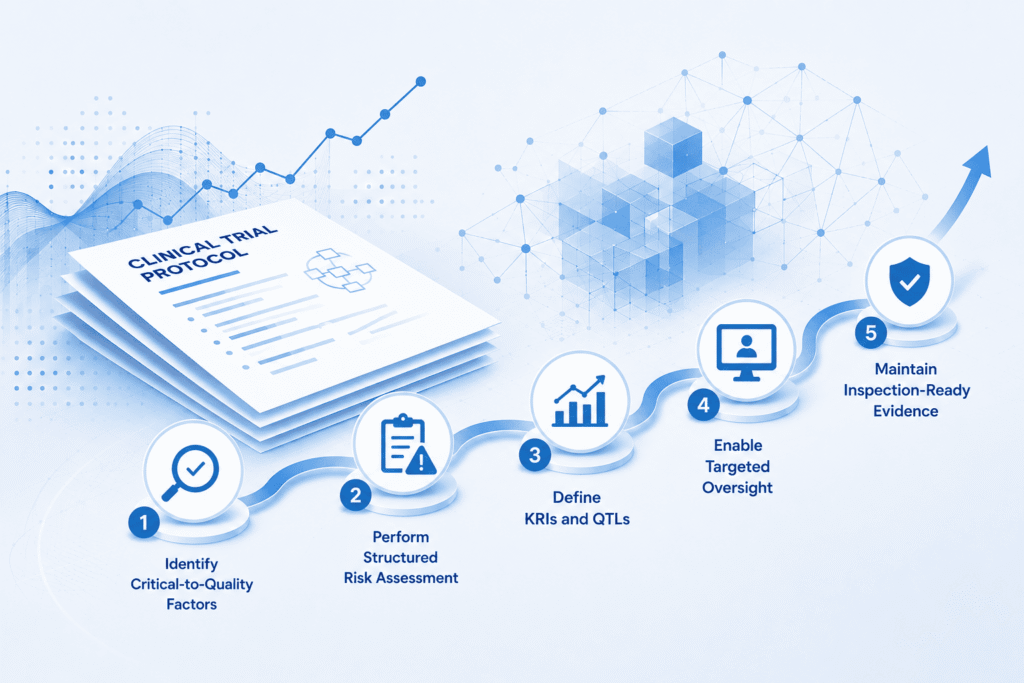
New research shows protocol complexity continues to increase. Learn why Risk-Based Quality Management and AI-supported oversight are becoming essential.
AI Literacy in Clinical Trials Under ICH E6(R3)
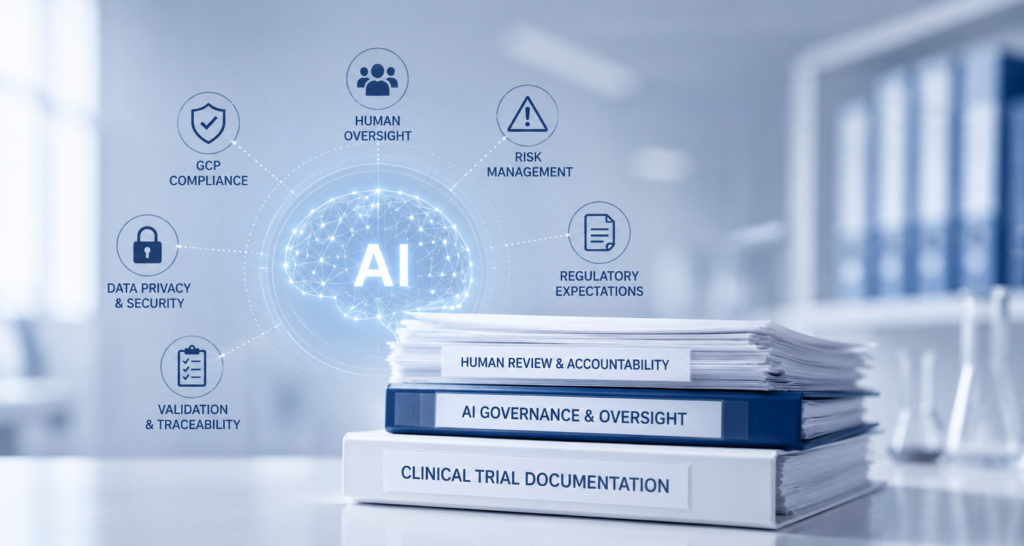
AI-supported workflows in clinical trials increasingly fall within GCP, computerized system, data integrity, and AI governance expectations. Sponsors and CROs need teams that understand oversight, validation, accountability, and responsible AI use.
FDA Warning Letter Highlights AI Oversight Risks in Clinical Trials

FDA’s warning letter signals a shift: AI use without oversight is a compliance risk. What clinical trial teams must understand to stay inspection-ready.